Reading Furnished Rental Details: What a Stay Abroad Listing Leaves Out
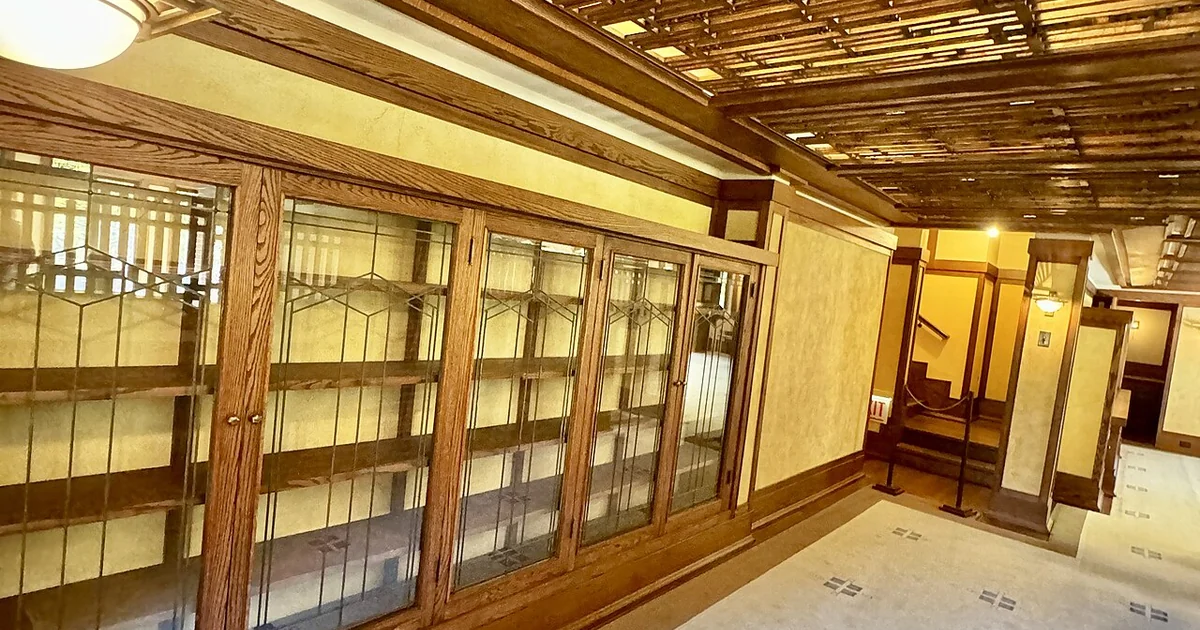
Furnished rentals for six months or longer tend to look similar at first glance. Most listings show an attractive kitchen, a tidy bedroom, and a neighborhood description that sounds promising. The differences that matter for a long stay usually sit in the details that a summary never mentions: what is included, what is assumed, what is left for the renter to confirm. East Asian Properties presents homes for stays of six months and longer, and the most useful way to read any of them is to separate what a listing states from what it implies. This article offers a method for doing that, focusing on the furnished rental information you are actually comparing rather than on any particular outcome you should expect.
Start by sorting statements from implications
A furnished listing contains two kinds of text. Statements are direct claims: the bedroom has a desk, the building has an elevator, the stay can run six months. Implications are things the reader is invited to infer: a 'fully equipped' kitchen, a 'move-in ready' home, a 'quiet street' description. Implications are not necessarily false, but they are not specific either, and a long stay exposes the gap between the two.
Before comparing any two options, copy each listing's key claims into a simple two-column note. On the left, write what is explicitly stated. On the right, write the phrases that suggest something without naming it. This habit alone clarifies which listings are giving you concrete information and which are relying on atmosphere. A listing with a short, specific list of stated facts is often easier to evaluate than a glowing paragraph with few details.
Pin down what 'furnished' actually means
The word furnished covers a wide range. For one listing it may mean a bed, a table, and a few chairs. For another it may mean a full kitchen inventory, linens, and small appliances. Neither definition is wrong, but for a six-month stay the difference determines how much you will spend after arrival and how much daily friction you will absorb.
Ask for or look for an itemized view of the furnishings and household items. Useful categories include sleeping furniture and bedding, kitchen cookware and utensils, cleaning supplies, storage, workspace items, and any appliances. If a listing does not itemize, note that gap explicitly rather than assuming the best. An honest unknown is more useful than a guess you carry into week one.
Separate the unit from the building and the area
Many long-stay readers compare homes by their interior photos and forget that six months means living in a neighborhood, not just a room. Listing information about the building, the street, and the surrounding area answers different questions than the unit description does. Access to a workspace, distance to daily errands, and the character of the block all shape the experience more than a well-lit living room.
For each candidate, write down what the listing says about location in concrete terms: the nearest transit mention, the type of street, whether the building is residential or mixed-use, and any stated access points. Then write what you would still need to find out yourself. This keeps the neighborhood question from being answered only by the most flattering photograph.
Build a short comparison grid for side-by-side review
When two or three options look viable, a simple grid prevents the most attractive listing from winning by default. Use the same rows for every candidate: stated stay length options, what furnishings are itemized, what utilities or services are described, the building and location facts provided, and the questions still open. Write the answer as a short phrase, and mark anything not stated as not stated.
Resist the urge to score a listing higher because it has more adjectives. A row that says not stated is informative. If one option has five filled rows and another has two, the difference tells you where to direct your questions before committing.
A checklist for the questions to ask before you decide
Before choosing a furnished home for a six-month stay, work through a set of questions and record the answers in writing. Confirm the exact stay length the listing allows and what the start and end dates require. Ask which furnishings and household items are included and whether any are shared or limited. Ask what is included in the stated price and what the listing leaves to the renter to arrange. Ask how utilities and internet are described, and whether setup responsibility is clear. Ask about the building's access arrangements and what the listing says about the surrounding area. Ask what documents or confirmations you will receive and in what form.
Keep the answers in one place. A single document with your questions and the responses you received is far more useful than memory when comparing several homes weeks apart. Anything the owner or listing does not answer is a question you should weigh as carefully as a stated feature. The goal is not to find a perfect home but to make a decision based on facts you have actually verified.